Sickle Cell Disease
Sickle cell disease is an inherited disease that affects the body's hemoglobin. Hemoglobin is the part of red blood cells that holds on to oxygen and carries it throughout the body. Normal hemoglobin red blood cells are round and smooth; in a child with sickle cell disease, red blood cells are hard, sticky and shaped like a crescent, or sickle.
Understanding Sickle Cell Disease
What are the most common types of sickle cell disease?
• Hemoglobin SS disease (also called sickle cell anemia)
• Hemoglobin S Beta zero thalassemia
• Hemoglobin SC disease
• Hemoglobin S Beta plus thalassemia
Understanding Sickle Cell Types
The Sickle Cell team at Children’s of Alabama cares for almost 1,000 children with sickle cell disease in Alabama. Our specialized team includes pediatric hematologists, nurse practitioners, nurses, psychologists, neuropsychologists, research coordinators, social workers, education specialists, and child life specialists dedicated to the care of infants, children, and young adults living with sickle cell anemia.
Treatments for Sickle Cell Disease
Medicine can help a child with sickle cell disease manage symptoms and stay healthy. Some medicines can even cure the disease. Talk to your care team to learn what treatment is right for you.
- Hydroxyurea (PDF)
- Hydroxyurea for Sickle Cell Disease from American Society of Hematology (PDF)
- Blood Transfusion
- Bone Marrow Transplant: A Cure for Sickle Cell Disease (PDF)
- Sickle Cell Stroke Screen FAQs
- Transcranial Doppler (TCD): A TCD is a painless ultrasound test that checks blood flow in the brain. It helps identify children with sickle cell disease who may be at risk for stroke.

Sickle Cell Disease Emergency
Learn More
Sickle Cell Disease Pain Clinic
Learn More
Becoming An Adult with Sickle Cell Disease
Learn MoreSickle Cell Disease Resources
- Acute Chest Syndrome
- Fever
- Pain
- Individualized Pain Plan. More info on developing a pain plan
- Ways to cope with pain Additional ways to treat pain
- Sickle Cell Pain Clinic Learn about our new Pain Clinic
- Splenic Sequestration
-
Sickle Cell Stroke Screen FAQs
Starting at age 12, we will help you prepare to live as an adult with Sickle Cell Disease. Most patients will transfer care to the UAB Adult Sickle Cell Program at age 18 and out of high school.
Sickle Cell Disease Patient Stories
-

Zoey Jones
Zoey Jones has the most severe form of sickle cell disease, but she doesn’t let it dim her light or creativity.
Zoey's Story -

Sean Baker
Sean Baker's sickle cell disease hasn't slowed him down in school, music, sports or community activities.
Sean's Story -

-
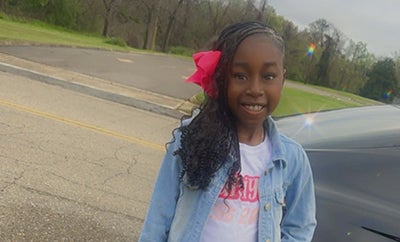
Zariyah Blackmon
Thanks to the help of Children's of Alabama, Zariyah Blackmon understands how to manage her sickle cell disease.
Zariyah's Story -

Ryan Pickett
Ryan Pickett has the most severe form of sickle cell disease, but he knows how to manage it.
Ryan's Story -
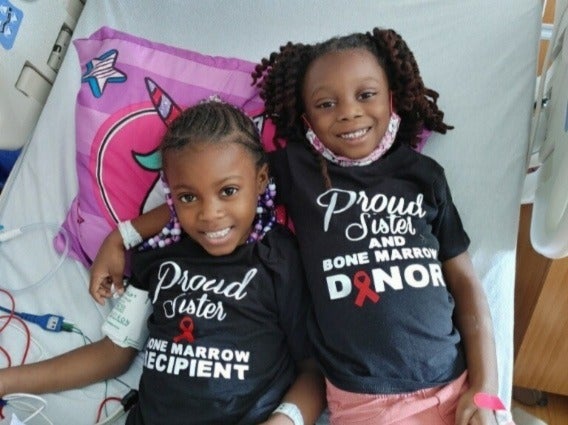
Kennedi Dahnsaw and her Sister and Bone Marrow Donor, Hayli
“Part of the potential for the bone marrow transplant was having a matched sibling donor, so we decided to check and see if Hayli was a match.”
Kennedi's Story
SICKLE CELL DISEASES COMMUNITY ORGANIZATIONS
Staff from the community based organizations attend sickle cell clinics to offer supportive services for affected families.