Birmingham, Ala. (May 7, 2026) — The school year will end soon, and children will begin enjoying their summer vacation. During the summer, learning does not have to stop, but it can take a different form. For some parents, it’s a great opportunity to teach their children about responsibility.
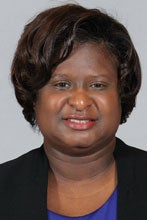
“You can think of responsibility as a combination of reliability and accountability,” said Dr. Nashedra Barry, a licensed psychologist at Children’s of Alabama. “This means being accountable for your actions and the way they might affect other people and then being reliable, when it comes to following through on tasks that have been given to you or things that you commit to.”
Barry says parents can start talking to their children about responsibility as soon as they begin communicating. She says the conversation may be different depending on where your child is in their development.
“I think early on, you can start having them be your little helper and help you take care of your responsibility,” said Barry. “Then, the older they get, the more things they can be responsible for.”
Barry recommends that parents of younger children start teaching responsibility by assigning simple chores, such as picking up toys after they have finished playing with them, or by reiterating the importance of why we do things and how they affect others. For school-age children, teaching responsibility may involve assigning them bigger household tasks, such as cleaning their bedroom or kitchen, or giving them responsibility for their own school materials or items they may need for extracurricular activities. For teenagers, Barry says teaching responsibility can begin when they start learning to drive or run errands. She says it can also come in the form of financial responsibility. Barry says no matter which approach you try, parents also play a huge role in showing their children how to be responsible.
“I think one of the best ways is to start talking about it early on and allowing them to maybe follow along with you as you are completing some of your responsibilities,” said Barry. “Also, talking to them about why it is important to do certain things.”
Barry says it is also important for children to see that there are consequences for their actions, and if a child does not do the chore correctly the first time, parents need to clearly teach kids how to do it. She recommends creating a checklist so both the parent and the child have a clear understanding of what is expected.
Some parents may consider offering their children a financial incentive to motivate them and help them learn responsibility. Barry says that’s a decision that a parent will have to make, and it could have some benefits.
“It kind of has a two-fold effect,” said Barry. “It obviously is going to increase motivation because they are going to work to achieve that money, but then it allows you to have the opportunity to start teaching financial responsibility and how to save and how to buy maybe some things that they are interested in.”
Previous Stories:
School Study Guide: How to talk to your child about Child Abuse | Children's of Alabama
School Study Guide: Avoiding the “Spring Slump” | Children's of Alabama
School Study Guide: Avoiding Sports Injuries | Children's of Alabama