Tourette Syndrome
Like many teens, Misbah Meghani navigates school, friendships, and the everyday experiences of growing up. But for him, those experiences have come with an added challenge: managing his tics. Tics are abrupt, involuntary movements and vocalizations commonly associated with Tourette syndrome. For Misbah, they’ve often made it difficult to maintain focus, interact socially, and build friendships. They’ve also affected his academic performance and his confidence in everyday situations.
“Not having control over my tics made me lose control over everything else,” Misbah explained. He equated his tics with the feeling of “having a hummingbird trapped in your brain, like a constant pecking where you feel forced to respond in return.” Tics can often be triggered during periods of stress, anxiety, or fatigue, making everyday activities even more challenging.
As an option for treatment, Misbah began the Children’s of Alabama Comprehensive Behavior Intervention for Tics (CBIT) program when he was 15. There, he was diagnosed in 2022 with Tourette syndrome. The CBIT program has three key components: training the patient to be more aware of tics, training them to use “competing” behavior when they feel the urge to tic, and making changes to their day-to-day activities in ways that can be helpful in reducing tics.
Working closely with Dr. Jan Rowe, co-director of the Tourette Syndrome Center of Excellence at Children’s and the University of Alabama at Birmingham (UAB), Misbah learned more about the biological processes behind his tics. Together, they practiced opposing muscle exercises and developed a set of strategies, which Dr. Rowe refers to as “tic busters,” to use when he felt the urge to tic. Just as important as the strategies themselves was the support Misbah received along the way. Dr. Rowe was in regular contact with Misbah’s family, keeping them updated on his progress and helping them understand how to support him outside of appointments.
For Misbah, knowing he had a team in his corner made a meaningful difference. “They’re sweet and devoted to their patients, and it’s a great support system,” he shared when reflecting on the CBIT care team. “It makes going through the program considerably less scary.”
Today, Misbah has a greater sense of confidence in situations that once felt difficult. He can better manage his tics during stressful conversation and continues to use the techniques he learned during his treatment. Although he has graduated from the program, the relationship he built with Dr. Rowe and his care team remains an important source of reassurance. “I know she’s always in my corner, and I feel comfortable reaching out to her if I have any struggles with my tics,” he said.
His experience at Children’s also shaped his future aspirations, giving him an interest in the field of neuroscience. Now a student at UAB, Misbah is on a pre-med track with a minor in neuro-engineering. Looking back on his experience, Misbah hopes other children and families facing similar challenges will feel encouraged to explore the support available to them. He understands that starting a new program can feel intimidating, especially when tics can affect so many parts of daily life. But he also knows firsthand how meaningful it can be to have a team that listens, provides practical tools, and continues to offer support throughout the process.
To families considering CBIT at Children’s, he offers this reassurance: “I know it’s scary right now, but going through this program will make you and your child’s life so much better.”
Related Providers
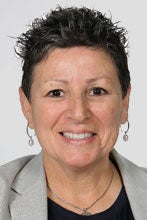
Jan Rowe, Dr. OT, OT, OTR/L, FAOTA
Tourette Syndrome