Preventing Heat-Related Illnesses in Children
June 29, 2026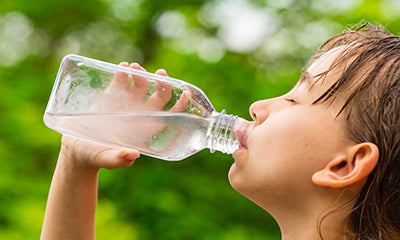
Categories: News
Tags: Midtown Pediatrics
Birmingham, Ala. (June 29, 2026) — Summer is here, and so are the increasing hot temperatures. Local meteorologists say we are experiencing some of the hottest weather we have seen so far this summer. While families spend time outdoors, pediatricians warn parents to pay close attention to their children.
“Children react very differently to heat,” said Lauren Rosati, MD, a pediatrician at Midtown Pediatrics, a Children’s of Alabama practice. “They take longer to acclimate to the heat environment. In addition to that, they sweat less, and they can generate three to five times more heat than adults do.”
Heat-related illnesses occur when children are exposed to prolonged heat and humidity without adequate fluid intake or relief. There are three main types of heat-related illnesses.
Heat Cramps:
Rosati says heat cramps are the mildest form of heat-related illnesses. Heat cramps are painful muscle cramps in the legs, arms, or belly that can happen during or after vigorous exercise in extreme heat. Children are particularly at risk for heat cramps when they do not hydrate. Heat cramps can be the first sign of a more serious heat illness.
“You want the child to rest in a cool area, relax as much as possible, stretch some of those muscles that are cramping, and even massage them,” said Rosati. “Get them some water or a sports drink to hydrate. They should not resume activity until at least a few hours after the cramps have resolved.”
Rosati says that if a child is having cramps for longer than an hour and if the cramps are worsening, you should seek medical attention.
Heat Exhaustion:
Heat exhaustion is a more severe heat illness that can occur when someone is in a hot climate or environment and does not drink enough fluids. Rosati says some symptoms of heat exhaustion include:
- Fever
- Headaches
- Fatigue
- Nausea and/or vomiting
- Dizziness
- Starting to feel faint or slowing down
Rosati says that if you think your child is suffering from heat exhaustion, take them to a cooler location. Remove any excess clothing and put a cool, wet cloth or cool water on your child’s skin. Encourage your child to drink water or a sports beverage. Also, parents need to monitor their child’s symptoms to ensure they do not worsen to the point of heat stroke. A child who is too exhausted or ill to drink or who doesn’t feel better within an hour might need to get intravenous fluids.
Heatstroke:
The most severe form of heat illness is heatstroke. In heatstroke, the body can’t regulate its own temperature. Body temperature can rise to 106°F (41.1°C) or higher and can lead to brain damage or even death if it is not treated quickly.
Symptoms of heatstroke include:
- Severe headache
- Weakness and dizziness
- Confusion
- Nausea
- Rapid breathing and heartbeat
- Loss of Consciousness
- Seizure
- No sweating
- Flushed, hot, dry skin
- temperature of 104°F (40°C) or higher
“You need to call for help and call 911 immediately,” said Rosati. “You need to remove all of the child’s clothing, shoes, socks, and everything, and emergently immerse them in cool water or ice as much as you can.”
Rosati adds that when icing a child, place the ice around the child’s neck, armpits, and groin, as these are where blood flow is highest. She also says to lay the child on his or her back with their legs raised as much as possible to increase the blood flow. Do not give liquids unless the child is awake, alert, and acting normally. Rosati also says parents should bring their child to the emergency department if there is any sudden change in the child’s behavior or if the child is not alert or acting normally.
Prevention:
Rosati emphasizes the best way to prevent a heat-related illness is to hydrate. She says children need to drink water or sports drinks and avoid caffeine as much as possible. Also, children should wear light-colored, loose clothing on hot days and use sunscreen and hats when outdoors. In hot and humid weather, parents should try to schedule activities during the cooler parts of the day. Also, teach children to come indoors, rest, and hydrate right away if they are beginning to feel overheated.
To learn more about summer safety, click here.